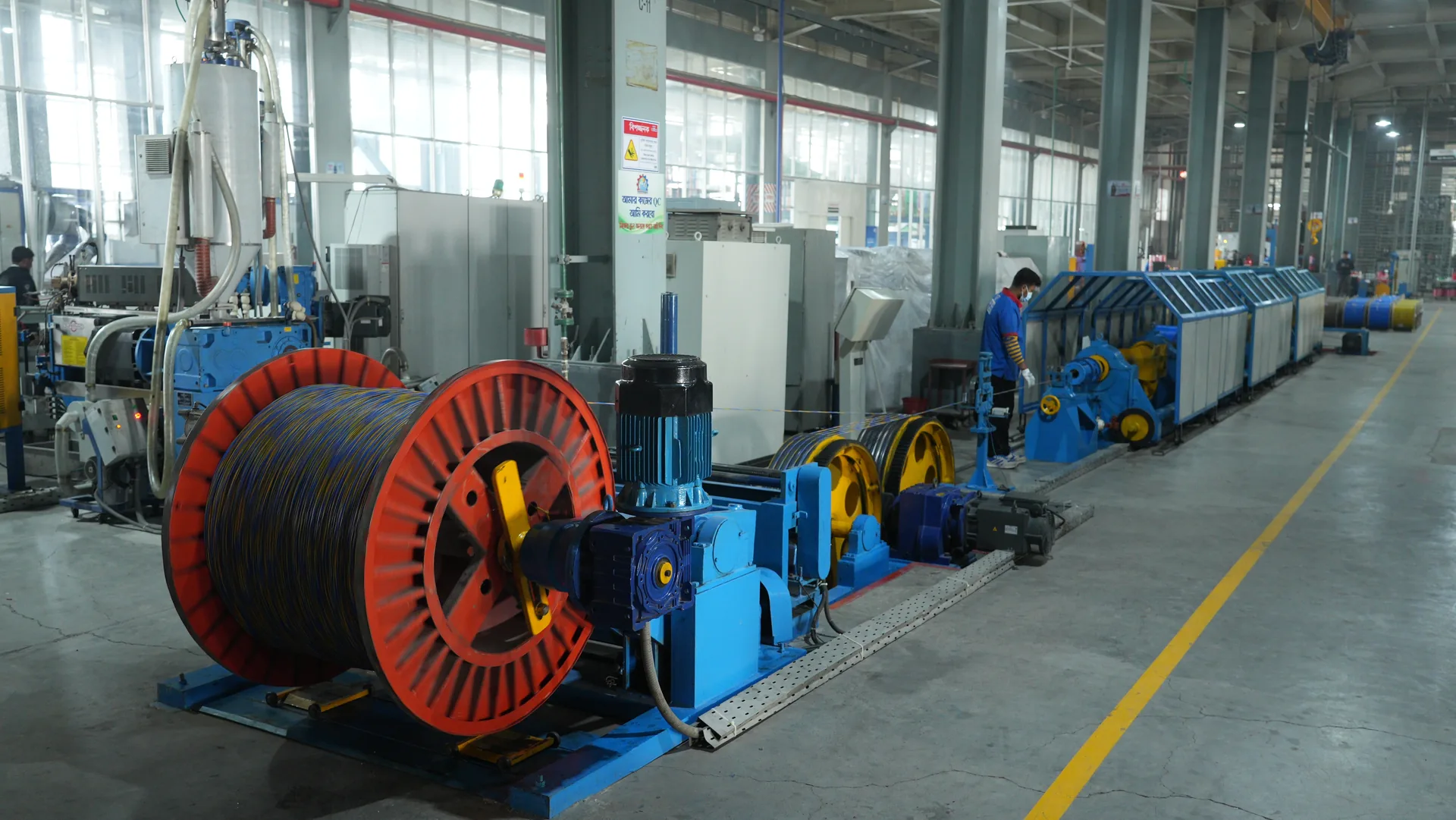
Textile production
  1. Home
  2. Experience
  3. Sectors
  4. Textile — what makes this sector technically different.

Textile — what makes this sector technically different.

The emissions are rarely where the brand looks. Wet processing and purchased fibre carry the number, and both sit outside the reporting entity in most cases.

Hardest data points

Where inventories in this sector fail.

  • Purchased fibre and yarn, where the difference between conventional and recycled, and between one origin and another, exceeds anything the mill can change on site
  • Wet processing — dyeing, finishing, washing — which carries the thermal energy demand and is often subcontracted and therefore invisible in the primary data
  • Steam generation and distribution across a site, and the losses between the boiler and the machine
  • Multi-tier supply chain data, and how far up the chain primary data actually stops and secondary data begins
  • Allocation across a product mix on shared machinery where run lengths differ by an order of magnitude
  • Recycled content claims, and whether a chain of custody standard supports them or only a supplier statement does
  • Wastewater treatment emissions, including CH₄ from anaerobic stages
  • The declared unit — per kilogram, per metre, per garment — and whether the comparison the customer will make is valid at that unit
What is examined

The evidence we will ask for.

  • Fibre and yarn purchase records with supplier-specific data where it exists, and the database fallback where it does not
  • Energy consumption split between wet and dry processing
  • Subcontracted process records, including the energy data of the subcontractor
  • Steam balance from generation to point of use
  • Chain of custody documentation for any recycled or certified content claim
  • Wastewater treatment process description and any anaerobic stage
Most requested

The services this sector asks for.

Product carbon footprint

Functional unit, boundary, allocation and the model behind the number.

The product route

CBAM readiness

The evidence file, the monitoring plan and the decision on actual values.

The CBAM route
The normative frame

The standards the work runs under.

ISO 14067:2018 · ISO 14064-1:2018 · ISO 14064-3:2019 · ISO 14040:2006 and ISO 14044:2006. EPDs follow ISO 14025:2006 and the applicable product category rules.

Scope position: Confirm the specific activity against Accreditation Schedule 1225009B at pre-engagement.

Other sectors, different evidence problems

Describe the claim — not the service.

Tell us what must be relied on, who will rely on it and by what date. We will confirm the correct programme, evidence requirement and responsible entity — or tell you it is outside our scope.