

Cement
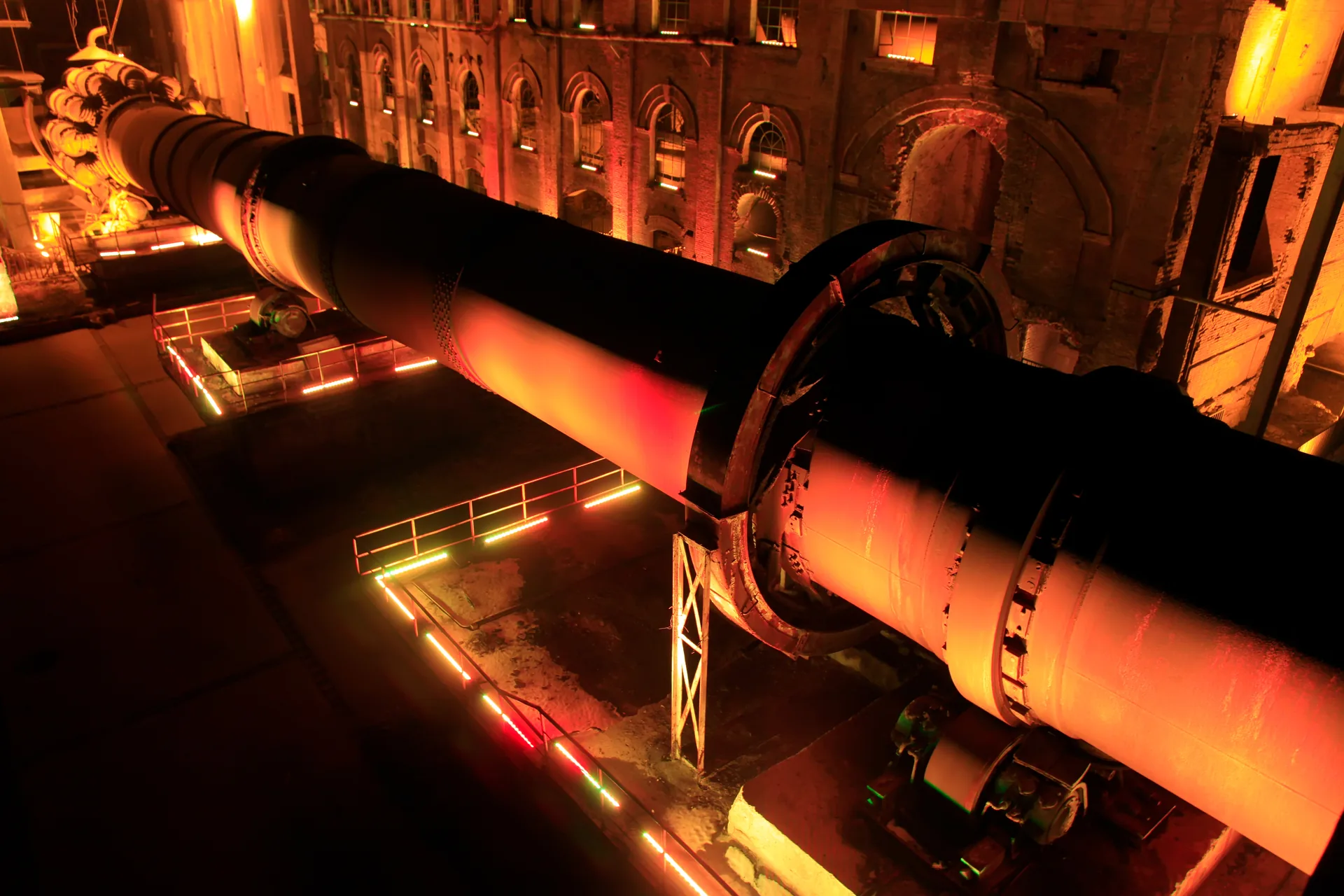
Calcination is the number, not the fuel. Process boundaries and clinker factors are examined first.

EGAC-accredited · based in Riyadh Saudi-based · internationally focused
From Riyadh, Energy Up supports the ambitions of Saudi Vision 2030 by strengthening the credibility of carbon data, advancing industrial decarbonisation and enabling confident access to evolving low-carbon markets.
Riyadh · Saudi Arabia
The certificate and Schedule 1225009B are the controlling records. Nothing on this website extends or replaces them.
We operate as a validation and verification body accredited by the Egyptian Accreditation Council (EGAC) under ISO/IEC 17029:2019 and ISO 14065:2020, with competence assessed to ISO 14066:2023 and performance to ISO 14064-3:2019.
The certificate number and the accreditation schedule are published, and the accredited programmes and geography are stated exactly as granted. You can verify every line of it before you speak to us.
A regulatory filing, a lender disclosure, a product claim and a project reduction do not require the same evidence. Start from the claim others will rely on.



An annual inventory relied on by management, lenders, customers or a disclosure platform. We test the organizational and reporting boundaries, the activity data, the emission factors and their provenance, and the evidence path from primary record to reported figure.
Open the serviceValidate whether a planned reduction is credible, then verify what the project actually achieved. We examine the baseline, the monitoring plan, leakage, reductions and removals against the programme methodology.
Open the serviceTest the functional unit, the system boundary, the allocation rules, the primary and secondary data and the calculation behind a product claim — and whether a partial footprint is labelled as one.
Open the serviceExamine the subject, the footprint, the management plan, the reduction hierarchy, the residual emissions, the credit evidence and retirement — and the exact wording of the claim before it is published.
Open the serviceTwelve sectors where our competence is assessed for the work. Drag, or use the arrows.
Calcination is the number, not the fuel. Process boundaries and clinker factors are examined first.
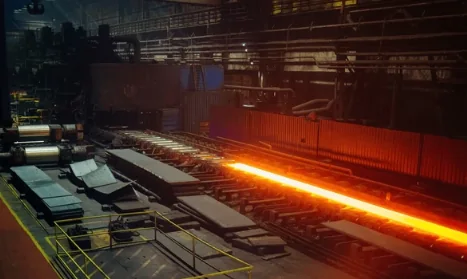
Integrated route versus electric arc changes the whole structure, and with it precursors and allocation.
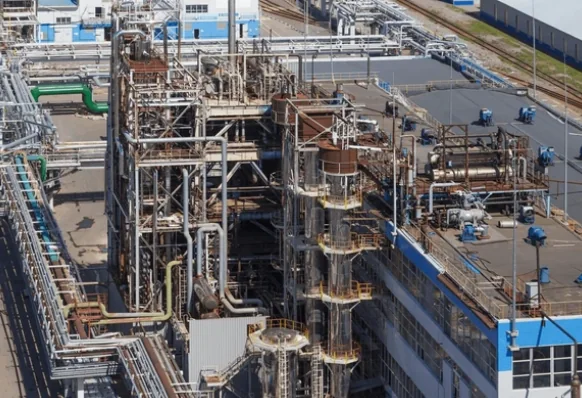
Multi-unit sites, shared steam and power, and allocation between co-products.
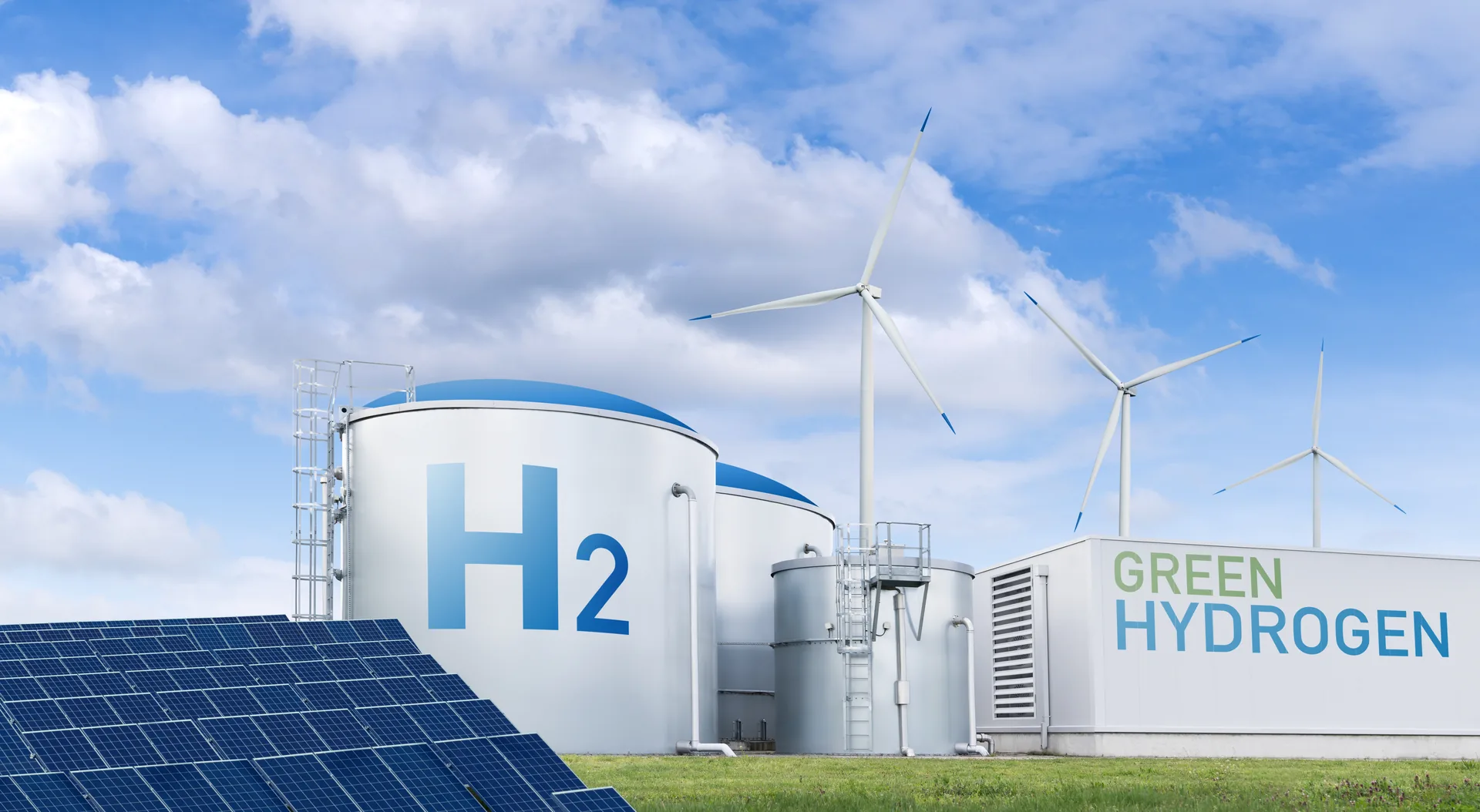
Ammonia, urea and nitric acid — process emissions and chained precursors.

Electricity intensity, anode emissions and the anode effect — three sources fuel data will not cover.

Fugitives, flaring and venting — where the largest inventory uncertainty usually sits.

Imported and exported electricity, location versus market method, and certificates of origin.
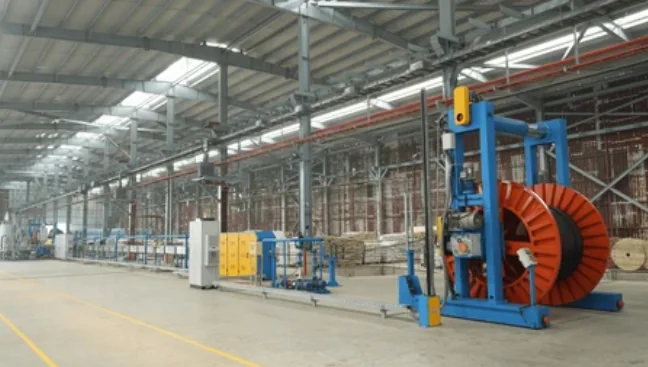
Copper, aluminium and polymers — the product footprint is decided in the supply chain, not on the line.
Soil N₂O and manure CH₄ — biological sources with wide natural variability that fuel data will not cover.

Wet processing and purchased fibre carry the number, and both usually sit outside the mill.
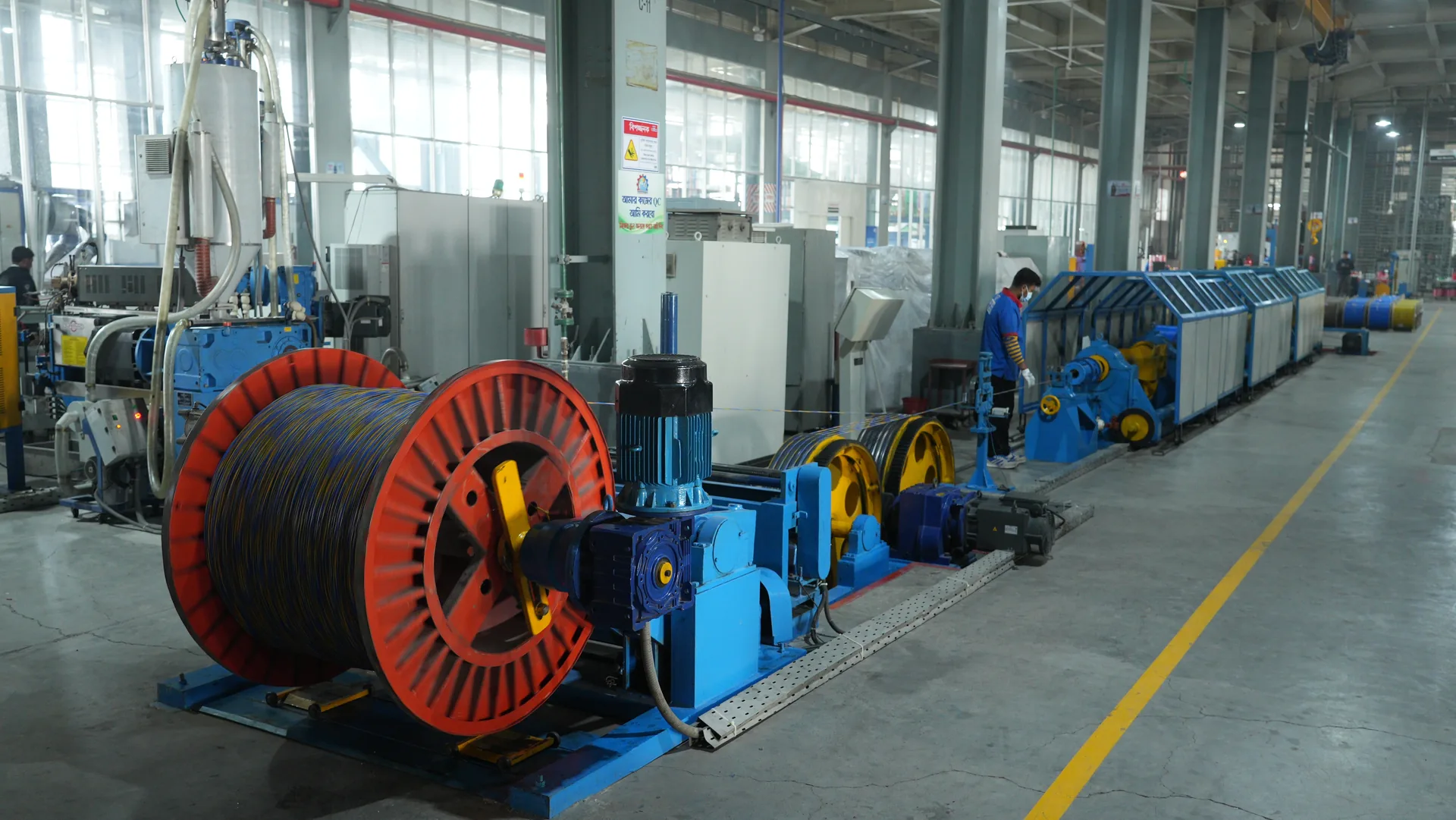
No signature process emission — boundary, allocation and Scope 3 decide the figure instead.

Carbon entering as feedstock rather than fuel — a mass balance catches it, an energy calculation does not.
Every engagement begins with a pre-engagement review of scope, criteria, competence, resources and impartiality. Work proceeds only when the engagement can be accepted responsibly and delivered within the applicable programme.
 Verification
Boundary, completeness, activity data, factors, calculation and the evidence trail — tested at source.
ISO 14064-1 · ISO 14064-3 Validation & verification
Baseline, additionality, boundary, leakage and monitoring plan — then what the project actually reported.
ISO 14064-2 · ISO 14064-3 Verification
Functional unit, system boundary, allocation, data quality, the model and the claim wording.
ISO 14067 · ISO 14064-3 Verification
Footprint, then reductions actually implemented, then residuals, then retirement evidence — the whole sequence.
ISO 14068-1 · ISO 14064-3The definitive regime has applied since 1 January 2026. The authorised CBAM declarant inside the European Union carries the declaration and certificate obligations; the operator outside the EU supplies installation and embedded-emissions data. Where actual values are used, they must be supported by the verification required under the applicable CBAM rules.
Manufacturers therefore need a controlled monitoring plan, traceable production and precursor data, accepted calculation methods, managed data gaps, and an evidence file that can be examined independently.
Energy Up International's application for accreditation as a CBAM verifier has been formally accepted by ACCREDIA under case C DC 07/2026, and the assessment process is underway. Accredited CBAM verification will be offered only after formal accreditation is granted and only within the approved scope.

The engagement team performs and documents the work. The independent reviewer did not perform it. The authorised decision-maker neither performed the engagement nor reviewed it.
Scope, sector, competence, resources and conflicts of interest. We may decline here — that is part of what makes the statement worth something.
Engagement may be declinedThe assertion, period, boundary, criteria, intended user, assurance level and materiality are fixed in writing.
Written agreementUnderstanding the entity, its data sources and its controls, then locating the risk of material misstatement.
Engagement teamType, depth and location of testing — driven by risk, not by the calendar.
Engagement teamTracing reported figures to primary sources, interviews, data and measurement testing.
Engagement teamFindings are raised against the requirement they relate to, and your response is examined. We do not propose the correction.
No corrections proposedPerformed by a reviewer who took no part in the engagement and contributed nothing to its findings.
Independent reviewerTaken by an authorised person who neither performed nor reviewed the work. The statement says what was examined and what was not.
Authorised decision-maker

Global Energy Up audits and certifies management systems through defined application, audit, technical review and decision processes. Certification decisions are made by authorised personnel who did not participate in the audit.
Those activities, reviews and decisions are separate from Energy Up International's validation and verification work. If one entity both examined and granted, neither output would be worth much.
No client-logo wall. Verification relationships are confidential by nature, and a logo wall weakens the appearance of independence more than it adds trust. We publish what a third party can check without us.
The figures above relate to Energy Up International alone and do not aggregate the work of other group entities. Engagement detail is filterable by year, sector, service and responsible entity.
 CBAM
CBAMThe definitive regime, the 50-tonne threshold and the first annual declaration in September 2027 — with sources.
Reviewed 01 Sep 2026 Verification
From the claim back to the invoice: the evidence path you will be asked for, and why.
ISO 14064-3 Difference
Two different outputs from two different entities — confusing them costs time and budget.
ISO 14064-3 · ISO/IEC 17021-1Tell us what must be relied on, who will rely on it and by what date. We will confirm the correct programme, evidence requirement and responsible entity — or tell you it is outside our scope.