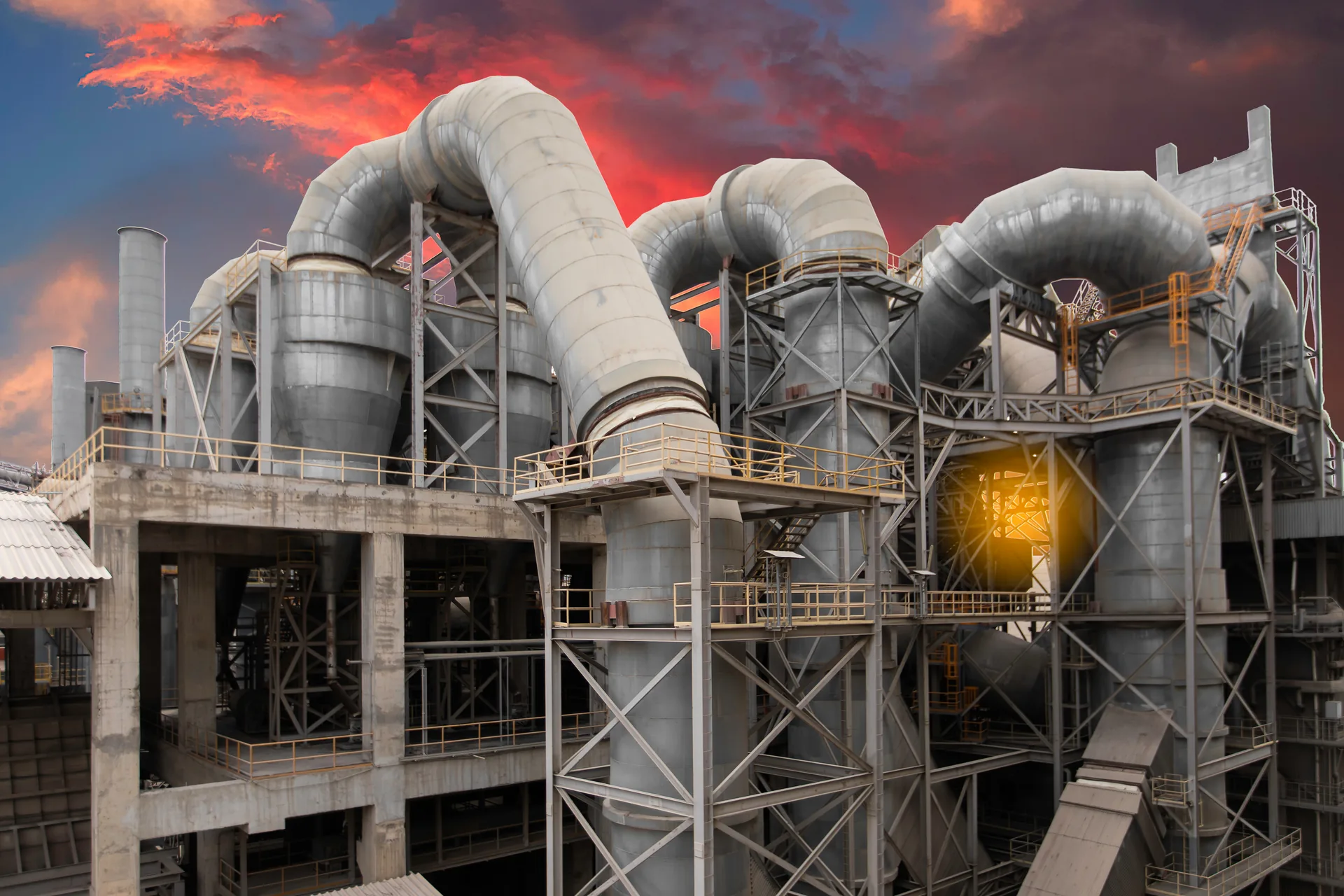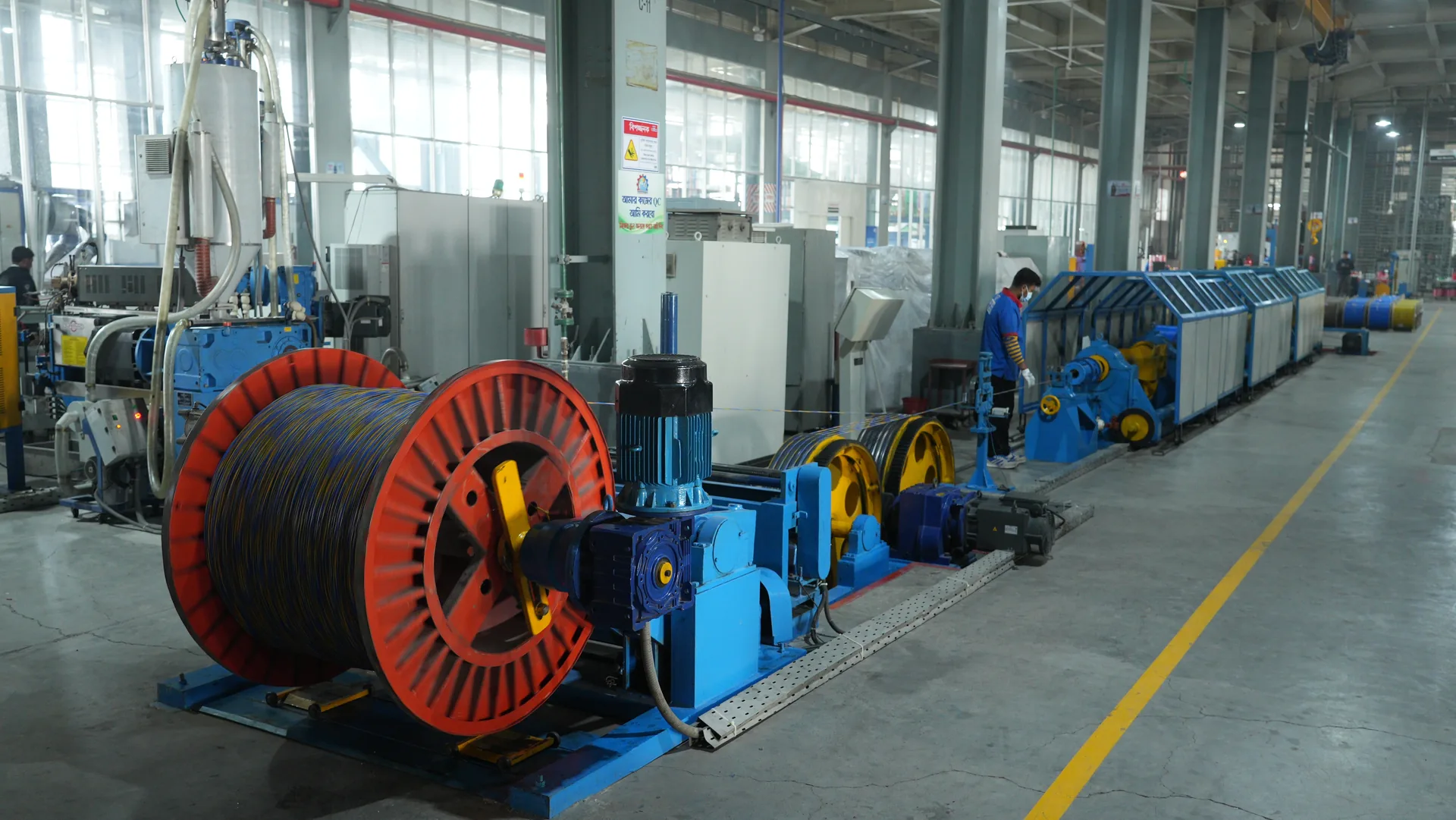
Cement production
  1. Home
  2. Experience
  3. Sectors
  4. Cement — what makes this sector technically different.

Cement — what makes this sector technically different.

Two thirds of the emissions come from a chemical reaction, not from fuel — which is why a cement inventory built from fuel invoices alone is always wrong.

Hardest data points

Where inventories in this sector fail.

  • Process CO₂ from calcination separated from combustion CO₂ — a single figure covering both cannot be verified against either method
  • Carbonate content of the raw meal, and whether the input-based or the output-based method was chosen before the period rather than after the number was known
  • Cement kiln dust and bypass dust leaving the system, and the partial calcination degree applied to it
  • Clinker factor evidenced per cement type and per product, not one plant-level average applied to everything sold
  • Alternative fuel composition, the biomass fraction claimed, and the sampling frequency behind that claim
  • The emission factor for clinker, against the 0.525 t CO₂ per tonne minimum, and the laboratory basis for any installation-specific value
  • Electricity consumption, which counts for cement under CBAM even though it does not for steel or aluminium
  • Where clinker is purchased rather than produced, the precursor data and whether it came from a verification report at all
What is examined

The evidence we will ask for.

  • The monitoring plan, with system boundaries and the division into production processes
  • Raw meal and clinker analyses across the period, with the laboratory method and frequency
  • The clinker-to-cement ratio per product, derived by analysis or material balance and not asserted
  • Fuel receipts reconciled to consumption, with biomass fraction determinations for alternative fuels
  • Kiln dust quantities leaving the system and the calcination degree assumed
  • Electricity meter data at the level the boundary requires
CBAM

What CBAM says about this sector specifically.

Cement is a CBAM good and carries both direct and indirect emissions — it is not in the Annex II list of goods for which only direct emissions count. The functional unit is tonnes of clinker contained in the good. Clinker is a precursor to cement, so the clinker-to-cement ratio carries the precursor emissions forward.

Scope note: CBAM verification accreditation has not been granted. Nothing here is offered as accredited CBAM verification before formal grant.
Most requested

The services this sector asks for.

Product carbon footprint

Functional unit, boundary, allocation and the model behind the number.

The product route

CBAM readiness

The evidence file, the monitoring plan and the decision on actual values.

The CBAM route
The normative frame

The standards the work runs under.

ISO 14064-1:2018 · ISO 14064-3:2019 · ISO 14067:2018 for product claims. For CBAM: Regulation (EU) 2023/956 and Implementing Regulation (EU) 2025/2547 (methods for calculating embedded emissions).

Scope position: Confirm the specific activity against Accreditation Schedule 1225009B at pre-engagement.

Describe the claim — not the service.

Tell us what must be relied on, who will rely on it and by what date. We will confirm the correct programme, evidence requirement and responsible entity — or tell you it is outside our scope.