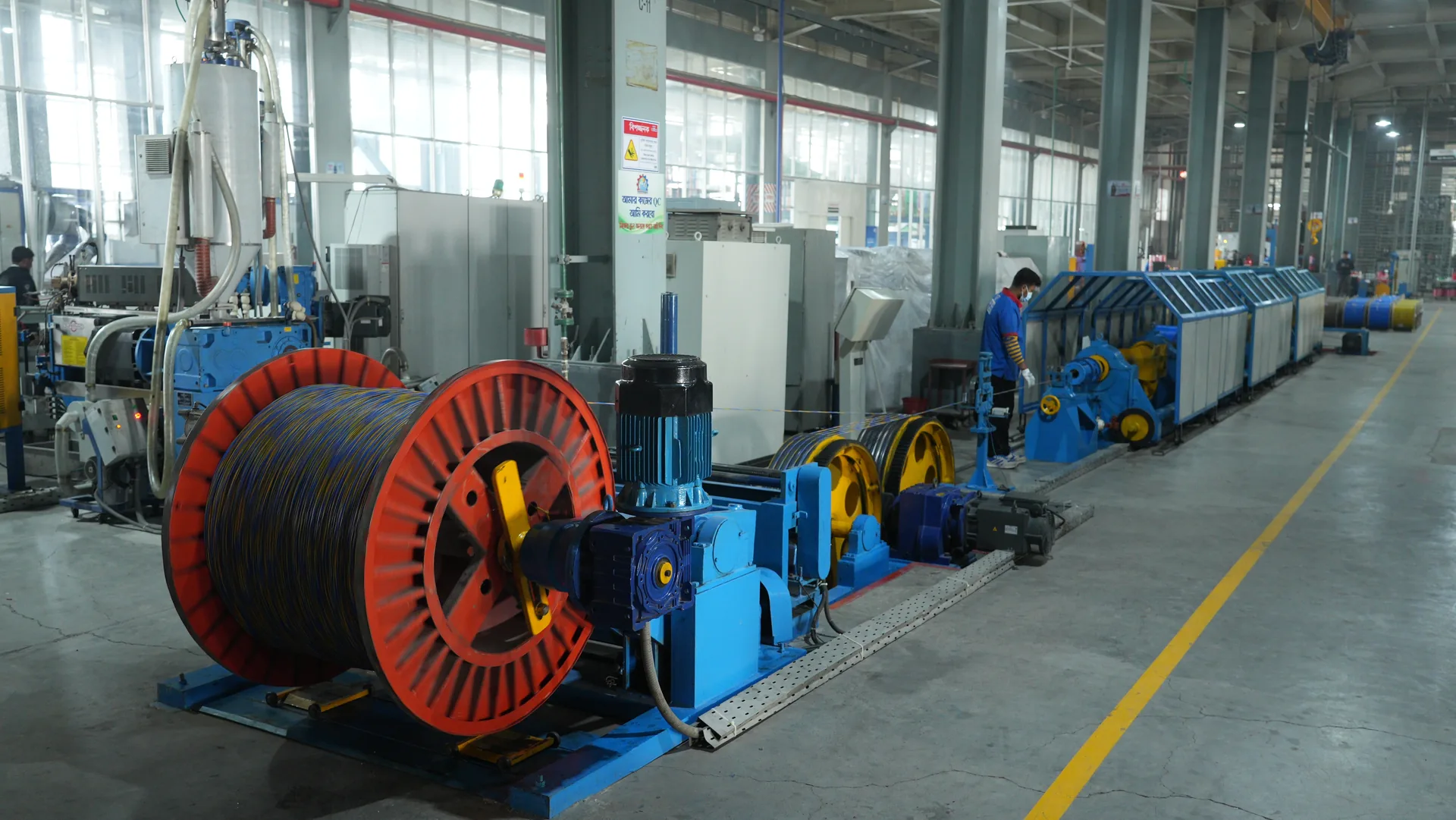
Petrochemicals production
  1. Home
  2. Experience
  3. Sectors
  4. Petrochemicals — what makes this sector technically different.

Petrochemicals — what makes this sector technically different.

The sector where our product carbon footprint accreditation is explicitly recorded, and where the co-product allocation decides most of the answer.

Hardest data points

Where inventories in this sector fail.

  • Allocation between co-products from a single cracker or train — physical, mass, energy or economic, and whether the chosen basis was justified against the standard rather than selected for the result
  • Flare and vent quantification, which is routinely underestimated because it is modelled from design assumptions rather than measured or metered
  • Fugitive emissions from valves, flanges, seals and connectors, and whether a leak detection programme actually informs the figure
  • Secondary database version and its representativeness for the specific feedstock, region and technology
  • The cut-off criteria applied, and whether excluded flows were shown to be immaterial rather than assumed to be
  • Steam and utility allocation across a site serving several trains, including imported and exported heat
  • Catalyst regeneration and decoking emissions, which are periodic and are missed by an annual average
  • The boundary between refinery and petrochemical operations where both sit on one site under one permit
What is examined

The evidence we will ask for.

  • The allocation rule as documented, with the justification tested against the hierarchy in the standard
  • Flare metering or the calculation method, with the composition data behind it
  • Leak detection and repair records for the period, not a one-off survey
  • Database version, geography and reference year for every secondary dataset used
  • Steam and utility balances across the site
  • Turnaround and regeneration records showing periodic emissions captured
Most requested

The services this sector asks for.

Product carbon footprint

Functional unit, boundary, allocation and the model behind the number.

The product route

CBAM readiness

The evidence file, the monitoring plan and the decision on actual values.

The CBAM route
The normative frame

The standards the work runs under.

ISO 14064-1:2018 · ISO 14064-3:2019 · ISO 14067:2018. Product declarations follow the programme operator's PCR where an EPD is intended.

Scope position: Explicitly inside the accredited product carbon footprint sectors. Confirm the specific activity at pre-engagement.

Other sectors, different evidence problems

Describe the claim — not the service.

Tell us what must be relied on, who will rely on it and by what date. We will confirm the correct programme, evidence requirement and responsible entity — or tell you it is outside our scope.