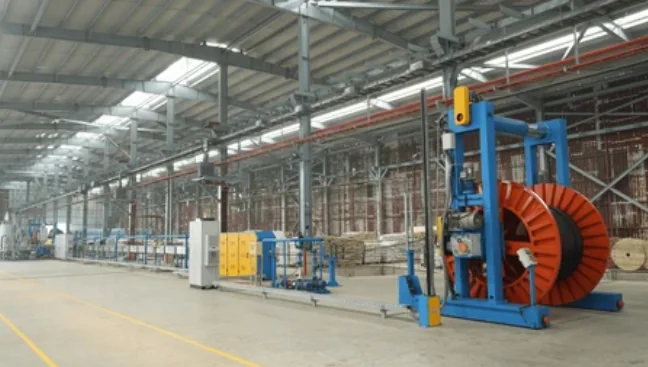
General manufacturing production
  1. Home
  2. Experience
  3. Sectors
  4. General manufacturing — what makes this sector technically different.

General manufacturing — what makes this sector technically different.

The sector without a signature process emission — which means the answer is decided by boundary discipline and allocation, not by a single measurement.

Hardest data points

Where inventories in this sector fail.

  • Organizational boundary and the consolidation approach, which in a group with shared services is the first thing to get wrong
  • Shared utilities — compressed air, chilled water, steam, lighting — allocated across a product mix that changes through the year
  • Purchased goods and services, which in this sector usually exceeds direct emissions by a wide margin and is the hardest category to evidence
  • Refrigerant losses from process cooling and HVAC, which are fugitive, high-GWP and frequently absent from the inventory entirely
  • Owned versus contracted logistics, and whether the boundary follows control or convenience
  • Waste and its treatment route, where the same tonne reported to landfill or to energy recovery gives materially different figures
  • Base year recalculation, and whether an acquisition, disposal or structural change triggered one that was never performed
  • Categories excluded as immaterial, and whether the immateriality was demonstrated or assumed
What is examined

The evidence we will ask for.

  • The organizational boundary and consolidation approach as documented, with the entity list behind it
  • Utility metering and the allocation basis across products and cost centres
  • Refrigerant register with charge sizes, top-ups and leak records
  • Procurement data at the level of detail the chosen Scope 3 method requires
  • Waste transfer records showing the actual treatment route
  • Base year definition and the recalculation policy, with any triggering event assessed
CBAM

What CBAM says about this sector specifically.

Manufactured iron, steel and aluminium articles can fall inside CBAM even where the manufacturer does not consider itself a metals producer. If you export finished goods under CN codes in Chapters 72, 73 or 76 to the EU, the CN code check is the first thing to run.

Scope note: CBAM verification accreditation has not been granted. Nothing here is offered as accredited CBAM verification before formal grant.
Most requested

The services this sector asks for.

Product carbon footprint

Functional unit, boundary, allocation and the model behind the number.

The product route

CBAM readiness

The evidence file, the monitoring plan and the decision on actual values.

The CBAM route
The normative frame

The standards the work runs under.

ISO 14064-1:2018 · ISO 14064-3:2019 · ISO 14067:2018 for product claims. Indirect categories follow the reporting boundary set under ISO 14064-1:2018 clause 5.2 and the applicable programme.

Scope position: Confirm the specific activity against Accreditation Schedule 1225009B at pre-engagement.

Other sectors, different evidence problems

Describe the claim — not the service.

Tell us what must be relied on, who will rely on it and by what date. We will confirm the correct programme, evidence requirement and responsible entity — or tell you it is outside our scope.