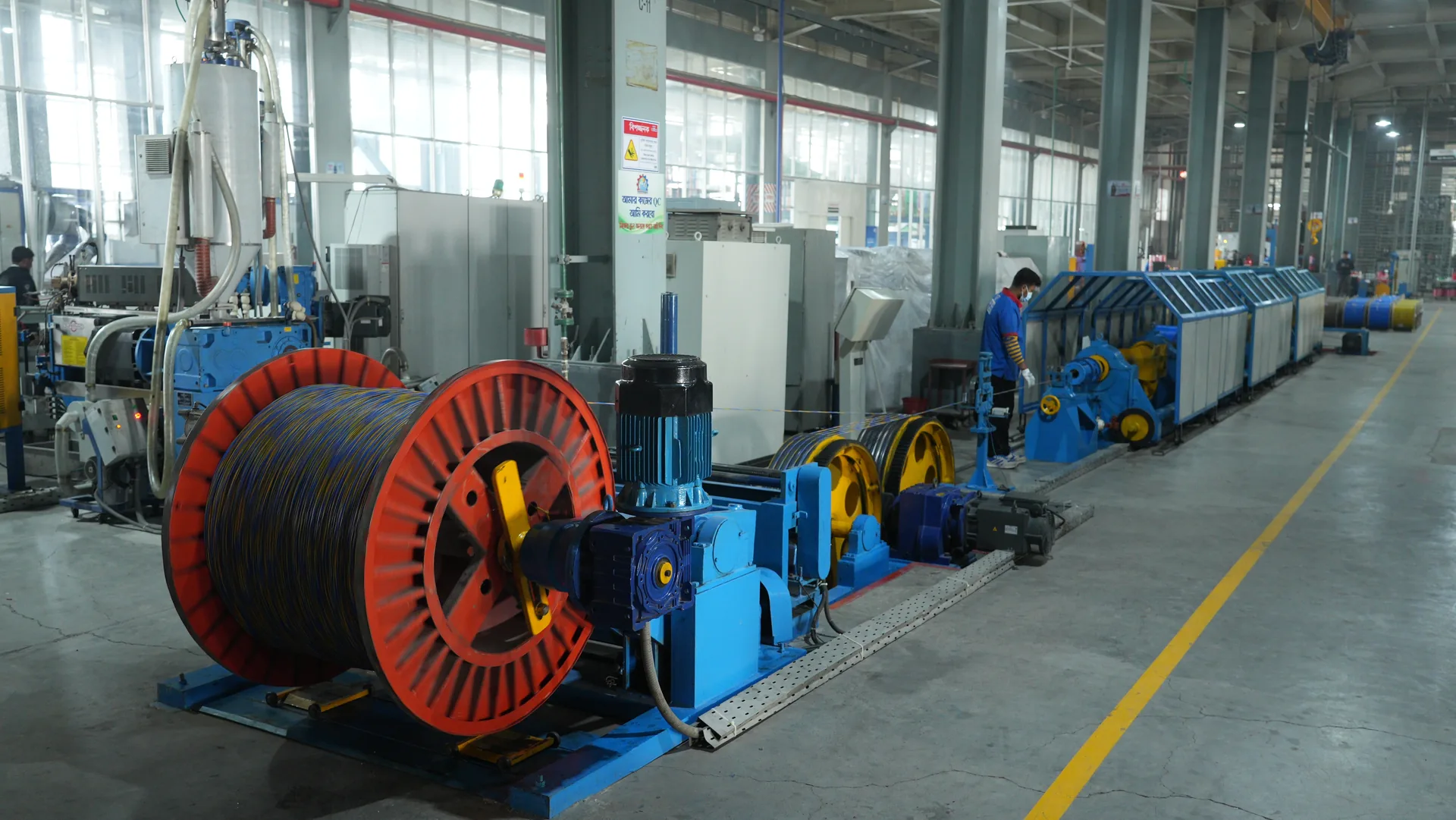
Cables production
  1. Home
  2. Experience
  3. Sectors
  4. Cables — what makes this sector technically different.

Cables — what makes this sector technically different.

Almost the entire product footprint is inherited from purchased metal, which makes supplier data the evidence rather than a supporting document.

Hardest data points

Where inventories in this sector fail.

  • Embedded emissions in purchased copper and aluminium, which typically dominate the footprint and are frequently taken from a generic database rather than the supplier
  • Whether purchased metal is primary or secondary, a distinction that changes the figure by a large multiple
  • Allocation across conductor sizes and compound types running on one line with shared utilities
  • Scrap return loops — internal arisings recycled back, and how the recycled content claim is substantiated
  • Compound and insulation materials, where the polymer supply chain carries its own data quality problem
  • Drum and packaging treatment, and whether returnable drums are amortised or counted once
  • The declared unit — per kilometre, per tonne, per conductor cross-section — and whether it matches what the customer will compare against
  • Cut-off criteria and whether excluded processes were demonstrated immaterial rather than assumed
What is examined

The evidence we will ask for.

  • Supplier-specific emission data for copper and aluminium, with the verification status of each dataset
  • Purchase records distinguishing primary and secondary metal
  • Production records per conductor size and compound, with the allocation basis
  • Internal scrap generation and recycling records
  • Utility consumption for the line, and the basis for splitting it between products
  • The programme operator's product category rules where an EPD is intended
Most requested

The services this sector asks for.

Product carbon footprint

Functional unit, boundary, allocation and the model behind the number.

The product route

CBAM readiness

The evidence file, the monitoring plan and the decision on actual values.

The CBAM route
The normative frame

The standards the work runs under.

ISO 14067:2018 · ISO 14064-3:2019 · ISO 14040:2006 and ISO 14044:2006 for the underlying life cycle assessment. EPDs follow ISO 14025:2006 and the applicable PCR.

Scope position: Confirm the specific activity against Accreditation Schedule 1225009B at pre-engagement.

Other sectors, different evidence problems

Describe the claim — not the service.

Tell us what must be relied on, who will rely on it and by what date. We will confirm the correct programme, evidence requirement and responsible entity — or tell you it is outside our scope.