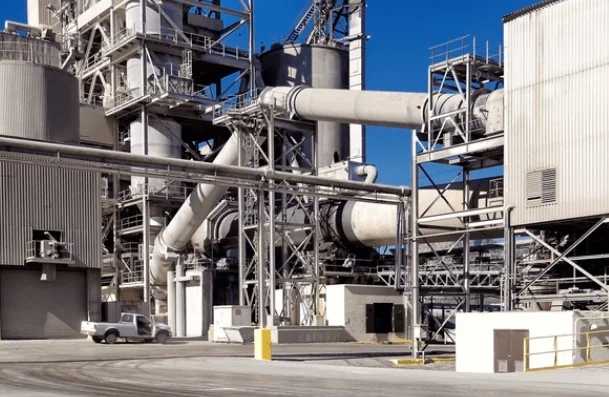
Data point 1
Scrap share and its treatment. Scrap is not carbon-free in the accounting sense once it moves between installations; the input record has to distinguish own-arisings from purchased scrap.

Evidence that withstands scrutiny
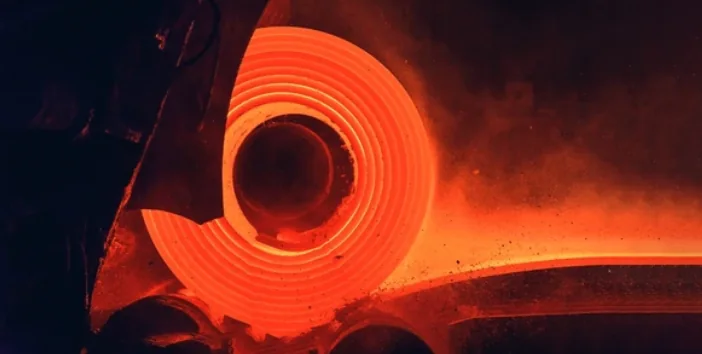
The sector has the longest precursor chain in CBAM. Sintered ore, pig iron, DRI, crude steel and semi-finished products each carry embedded emissions into whatever is made from them, and the listed downstream articles inherit all of it.
CBAM accreditation · assessment under way · ACCREDIA DC26PRT0296 — status record
| CN codes | 2601 12 00 · Chapter 72 (with the ferro-alloy exclusions listed in Annex I) · 7301 · 7302 · 7303 · 7304 · 7305 · 7306 · 7307 · 7308 · 7309 · 7310 · 7311 · 7318 · 7326 |
|---|---|
| Covered goods | Agglomerated iron ores, crude and semi-finished steel, tubes and pipes, structures, tanks and containers, fasteners and other listed steel articles. |
| Emissions in scope | Direct emissions only — iron and steel goods are listed in Annex II, so purchased electricity is excluded from the embedded-emissions calculation. |
| Relevant precursors | Sintered ore, pig iron, DRI/HBI, crude steel and semi-finished products all carry embedded emissions into the listed downstream articles. |
Scrap share and its treatment. Scrap is not carbon-free in the accounting sense once it moves between installations; the input record has to distinguish own-arisings from purchased scrap.
Precursor allocation across a rolling programme. One heat becomes several CN codes; the allocation rule has to be written down before the reporting period, not reconstructed after it.
Process gas exports and imports. Blast-furnace and coke-oven gas moving across the installation boundary changes the balance in both directions, and the meter behind it is usually the weakest record in the file.
Tell us what must be relied on, who will rely on it and by what date. We will confirm the correct programme, evidence requirement and responsible entity — or tell you it is outside our scope.